-
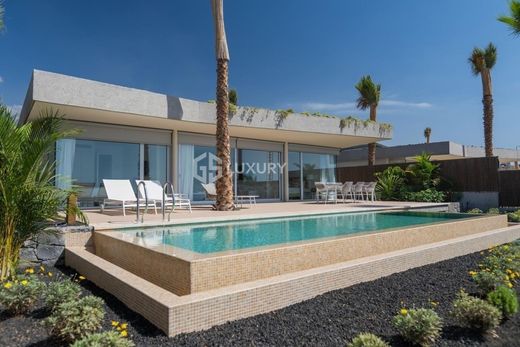 Luxury home in Guía de Isora, Province of Santa Cruz de TenerifeJP¥ 386,676,000161 m² 3 3
Contemporary Design Villa in Abama gs Luxury..Welcome to a home where luxury, modernity, and natural beauty blend in perfect harmony...This detached villa, with more than 350 m²...
Presented by Gs Luxury Spain -
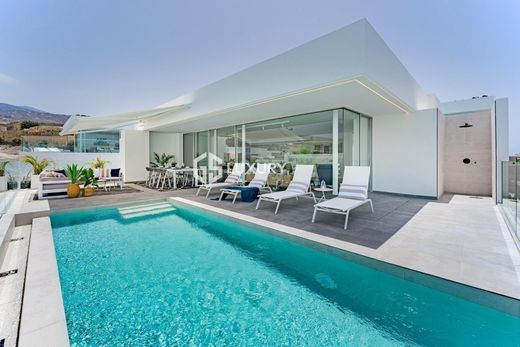 Luxury home in Adeje, Province of Santa Cruz de TenerifeJP¥ 322,046,000157 m² 3 3
Contemporary Villa with Ocean Views in Callao Salvaje..At gs Luxury, we present this sophisticated contemporary villa, located just 100 meters from the ocean in Callao Salvaje....
Presented by Gs Luxury Spain -
 Detached House in San Bartolomé de Tirajana, Province of Las PalmasJP¥ 211,751,000336 m² 3 5
Exclusive designer villa in the prestigious Bellavista area, San Fernando, featuring unique architecture and generous interior and exterior spaces.~~The property is distributed...
Presented by INMOBILIARIA SUNRISE -
Villa in Las Palmas de Gran Canaria, Province of Las PalmasJP¥ 151,375,000600 m² 5 6
Discover this stunning 470 m² house, built in 2003, that combines comfort and style in a privileged setting. The property is distributed over two floors. The ground floor...
Presented by Inmobiliaria Quierespiso -
Villa in Costa Adeje, Province of Santa Cruz de TenerifeJP¥ 91,145,100226 m² 3 3
Discover this magnificent house in El Madroñal, located in the heart of Costa Adeje. With an area of 226 square meters, this property offers a spacious and bright space, perfect...
Presented by Exklusiv -
Villa in Costa Adeje, Province of Santa Cruz de TenerifeJP¥ 156,512,000210 m² 3 3
Magnificent semi-detached house for sale in San Eugenio Alto, in the La Tagora complex. This spacious and bright home is built on a 210 m2 plot, spread over two floors, and has a...
Presented by TenerCasa Real Estate -
Detached House in Las Palmas de Gran Canaria, Province of Las PalmasJP¥ 138,099,000449 m² 4 6
Discover this magnificent detached house located in the exclusive Monteluz urbanization, Tafira, surrounded by tranquility and with extensive garden areas all around: front, back,...
Presented by Azulaya Inmobiliaria -
Villa in El Sauzal, Province of Santa Cruz de TenerifeJP¥ 165,718,000275 m² 3 4
This villa is located in a very quiet area of El Sauzal in the middle of the sunniest region in the north of the island. This is especially true for properties located in coastal...
Presented by Luxus Tenerife -
Luxury home in Guía de Isora, Province of Santa Cruz de TenerifeJP¥ 245,447,000197 m² 3 3
Bairescan offers for sale:~~Spacious 3-bedroom luxury duplex in Tenerife, ready to move into.~~This 3-bedroom luxury duplex with garden in Tenerife is the only 3-bedroom apartment...
Presented by Bairescan Gestion Inmobiliaria -
Detached House in San Bartolomé de Tirajana, Province of Las PalmasJP¥ 108,638,000357 m² 3 4
Wonderful villa for sale in El Salobre (San Bartolomé de Tirajana). The property has a built area of 357 m² (cadastral area) and is located on a plot of approximately 1,200 m²....
Presented by CENTURY21 Capital Lpa & Dream Homes -
Villa in Candelaria, Province of Santa Cruz de TenerifeJP¥ 156,512,000426 m² 3 6Presented by Tinercasa
-
Apartment in Playa de las Américas, Province of Santa Cruz de TenerifeJP¥ 97,589,70074 m² 1 2
InmoParis is pleased to present this stylish 2-bedroom apartment, ideally located in one of the most sought-after complexes in Playa de las Américas: Colón 1. Situated on the...
Presented by InmoParis -
Penthouse in Adeje, Province of Santa Cruz de TenerifeJP¥ 238,450,000116 m² 2 3
Ref: 6316I Live the Exclusivity in the Heart of Costa Adeje We present an exclusive penthouse with 3 bedrooms and 2 bathrooms, located on the third floor with an elevator of a...
Presented by Smilo Properties -
Villa in Adeje, Province of Santa Cruz de TenerifeJP¥ 105,876,000150 m² 2 3
Outstanding opportunity to purchase a contemporary style villa in the popular area of Un Posto al Sol close to Callao Salvaje. The Villa has been constructed to a high standard...
Presented by Tenerife Residence -
Detached House in Telde, Province of Las PalmasJP¥ 113,241,000444 m² 1 3Presented by MK MARKETING INMOBILIARIO



