-
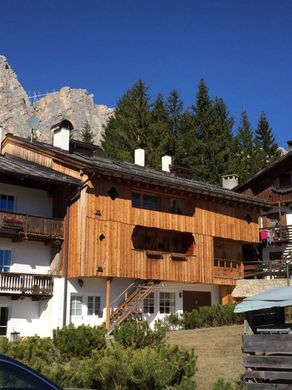 Apartment in Cortina d'Ampezzo, Provincia di BellunoCollection€ 2,000,000115 m² 2 2
Cortina chiave 44 - interior 1: 115M2 furnished in class A1 Cortina d'Ampezzo, locality Chiave civ.44: 115M2 commercial fully furnished - direct sale Home in energy class A1...
Presented by Quattro Gi snc -
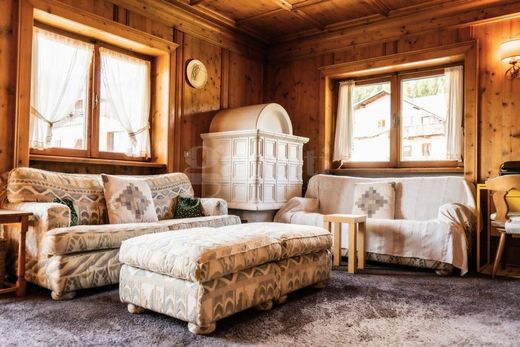 Apartment in Cortina d'Ampezzo, Provincia di BellunoCollection€ 1,650,000100 m² 2 3
Bl-17 In Cortina D'Ampezzo, located in a small condominium of just six units, we offer an apartment in typical Ampezzo style, brimming with authenticity and warmth. The property...
Presented by Gabetti Franchising -
 Apartment in Cortina d'Ampezzo, Provincia di BellunoCollection€ 2,400,000143 m² 4
Just a few steps from the center of Cortina d’Ampezzo, directly overlooking the pedestrian and cycling path that allows you to reach the heart of town in only five minutes on...
Presented by Cortina Home -
Penthouse in San Vito di Cadore, Provincia di BellunoCollection€ 960,000120 m² 2
Discover a renovated duplex apartment of approximately 120 sq m with dual mountain views of San Vito di Cadore, just 10 minutes from Cortina d'Ampezzo. The unit is located in a...
Presented by Die Bau Real Estate -
Apartment in Cortina d'Ampezzo, Provincia di BellunoCollection€ 1,860,000115 m² 2 3Presented by Cortina Domus
-
Apartment in Cortina d'Ampezzo, Provincia di BellunoCollection€ 2,350,000128 m² 3 4Presented by Erit Group Immobiliare
-
Apartment in Cortina d'Ampezzo, Provincia di BellunoCollection€ 1,800,000120 m² 3 3
Etika Real Estate Agency is pleased to offer this ground-floor apartment in a small building built in the 1970s, just steps from the center of Cortina. The property comprises two...
Presented by Etika Agenzia Immobiliare -
Apartment in Cortina d'Ampezzo, Provincia di BellunoCollection€ 1,650,000100 m² 3 3Presented by Elisa Colle
-
Apartment in Olang, BolzanoCollection€ 418,00096 m² 2 2
This well-laid-out, non-restricted duplex apartment is for sale in Niederolang, in an attractive location close to the Kronplatz (Plan de Corones) ski area. The property is...
Presented by Immoconsulter srls -
Luxury home in Comèlico Superiore, Provincia di BellunoCollection€ 1,100,000270 m² 4
Comelico superiore - We offer you an exclusive offer of a splendid chalet with a breathtaking view. It is located in a unique and rare setting, surrounded by nature and with no...
Presented by Profumo Di Casa Immobiliare -
Apartment in Cortina d'Ampezzo, Provincia di BellunoCollection€ 1,500,000102 m² 2 3
Apartment for sale in Peziè – Cortina d'Ampezzo. In one of the quietest and sunniest areas of Cortina, we offer for sale a welcoming first-floor apartment, ideal for those seeking...
Presented by Case a Cortina s.n.c. -
Apartment in Cortina d'Ampezzo, Provincia di BellunoCollectionPrice on Application395 m² 3 4Presented by L'Arte di Abitare - Agenzia di Cortina d’Ampezzo
-
Apartment in Cortina d'Ampezzo, Provincia di BellunoCollectionPrice on Application97 m² 3 2
Splendid second floor of approximately 97sqm plus appurtenances for a total of 110sqm in a renovated barn. Space distribution totally customisable. Outdoor parking spaces,...
Presented by Cortina Style Real Estate srl -
Apartment in San Vito di Cadore, Provincia di BellunoCollectionPrice on Application77 m² 2 2Presented by Immobiliare Europa srl
-
Apartment in San Vito di Cadore, Provincia di BellunoCollection€ 850,000118 m² 2 2Presented by Erit Group Immobiliare



